What are baby animals called? From cub and calf to duckling
A baby tiger is a cub, a baby elephant is a calf and a baby duck is a duckling. Many animals have their own word for their young, but by no means all of them: then you simply speak of a young one. Here are the names of baby animals in one place, including every real animal in our collection.
Cub: the young of big cats, bears and more
A cub is the young of many carnivores. Tigers, lions, bears and hyenas all have cubs, and a young fox is a cub or a kit. The giant panda is a bear, so its young are cubs too. The red panda is not a bear, but its young are also called cubs.
What are baby tigers called?
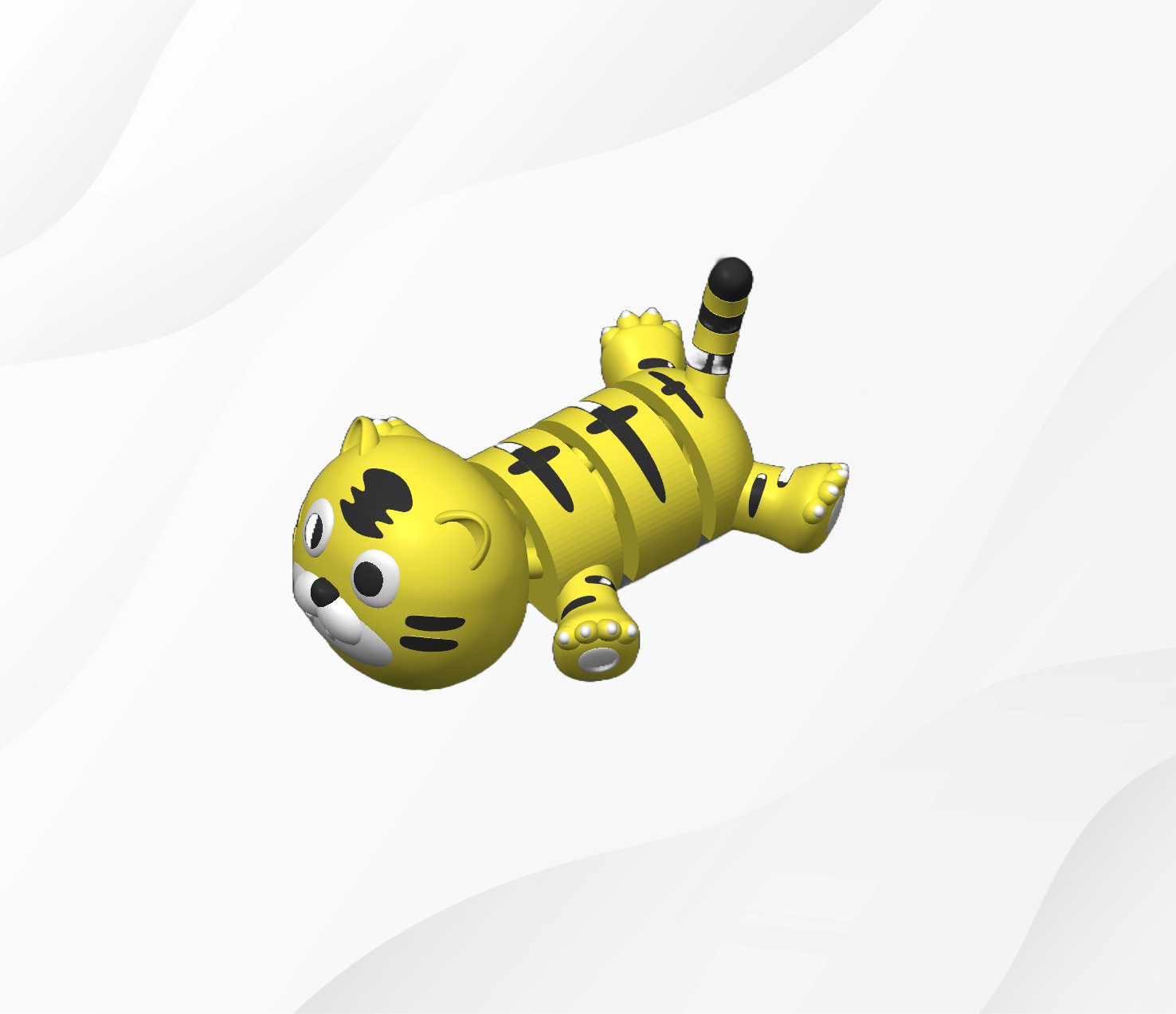
Cubs, or tiger cubs. In Dutch a tiger cub is a welp. How much a tiger cub weighs at birth and how long it stays with its mother is explained on the page of Tavi the Baby Tiger.
What is a baby fox called?
A cub or a kit. Both words are used for the red fox. Our fox is Finn the Fox.
Calf: from cows to whales
A calf is the young of a cow, but the word is used for many other large animals as well: elephants, giraffes, hippos and deer. At sea the young are calves too: a baby whale, dolphin or narwhal is a calf.
What is a baby elephant called?
A calf. In the African bush elephant pregnancy lasts 650 to 660 days and one calf is born. It stands up quite soon but sees poorly for the first few weeks, and its mother supports it with her trunk and legs.
What is a baby deer called?
A calf or a fawn. Both are in use for young deer.
Pup, kit and kitten
A young dog is a puppy or pup. Pup is also the word for a young seal, otter, hamster or mouse, and even for a young hammerhead shark. A young cat is a kitten.
What is a baby rabbit called?
A kit or a kitten. A young hare has its own word: a leveret. We have two rabbits, Hopsie the Rabbit with Long Ears and Bella the Rabbit with Bow.
Foal, lamb, kid and piglet
On the farm most names are well known: a young horse or donkey is a foal, a young sheep a lamb and a young pig a piglet.
What is a baby goat called?
A kid. So a lamb is a young sheep and a kid a young goat. In Dutch both are called a lam.
Chick, duckling and tadpole
The young of a bird is a chick: a young chicken, penguin or parrot is a chick. A young duck is a duckling and a young owl an owlet. Some animals look completely different when they are young, and then they have a completely different name: a young frog is a tadpole and a young butterfly is a caterpillar. Such young are also called larvae.
Baby animal names in one list
Not every animal has a special word for its young. For a platypus, for example, the usual lists of animal names give no special word: you simply say a young platypus. These are the best known names:
| Animal | Baby name |
|---|---|
| Alpaca | cria |
| Butterfly | caterpillar |
| Chicken | chick |
| Cow | calf |
| Deer | calf or fawn |
| Dog | puppy or pup |
| Donkey | foal |
| Duck | duckling |
| Elephant | calf |
| Frog | tadpole |
| Goat | kid |
| Goose | gosling |
| Hare | leveret |
| Horse | foal |
| Kangaroo | joey |
| Lion | cub |
| Owl | owlet |
| Pigeon | squab |
| Rabbit | kit or kitten |
| Seal | pup |
| Sheep | lamb |
| Swan | cygnet |
| Tiger | cub |
| Turkey | poult |
| Wolf | cub or pup |
What are the babies of our animals called?
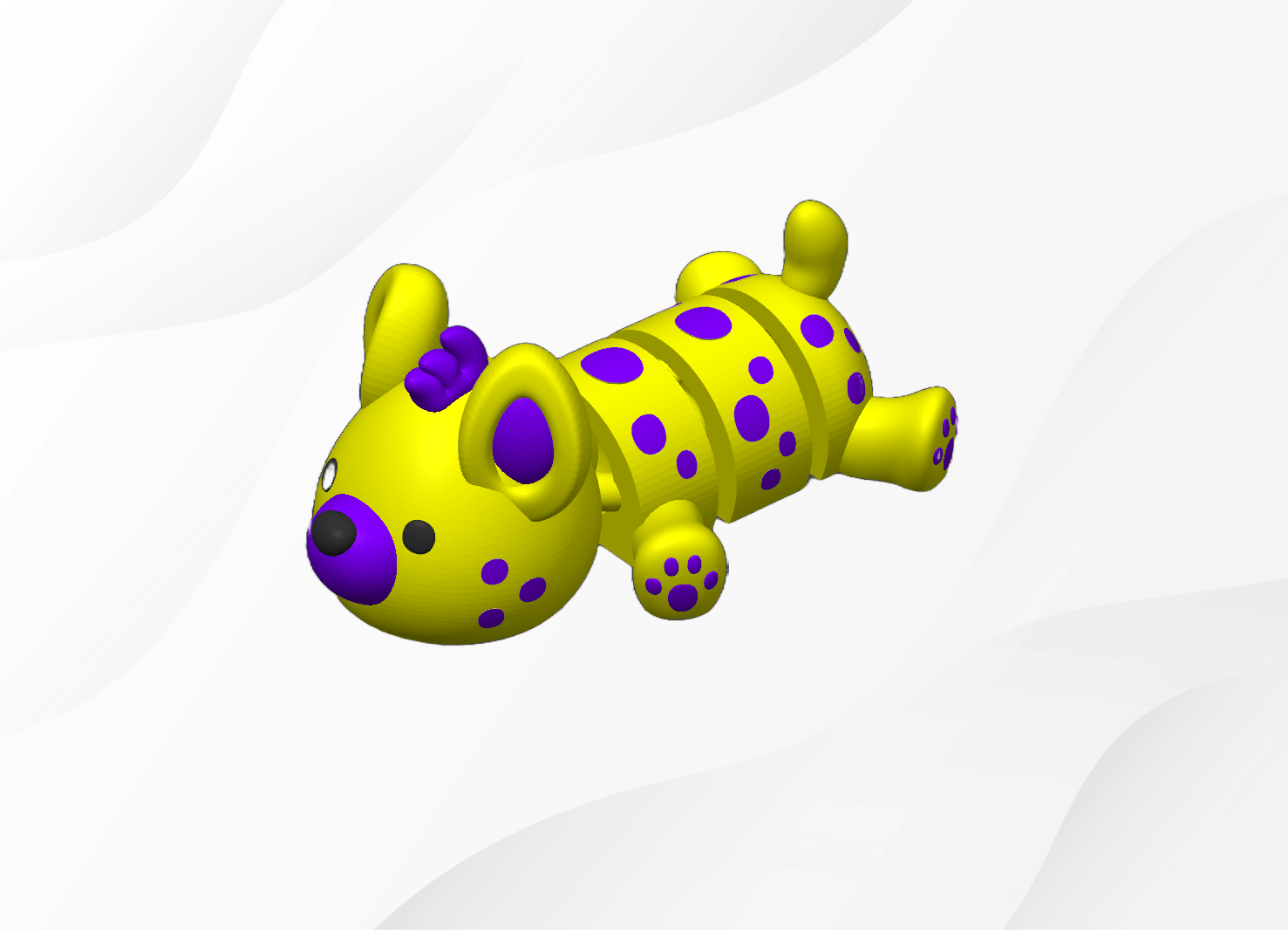
Almost every animal in our collection is a real animal. Below you will find what its young is called, with a link to the animal. Only the flower dragon is missing, because it is a mythical creature. Two of our animals are babies themselves: Tavi the Baby Tiger is a tiger cub and Yuki the Baby Hyena a hyena cub.
Why is a young axolotl called a larva?
In amphibians the young look very different from the adults, and then the young is called a larva. The axolotl is special: it keeps features of a larva all its life, such as gills on the outside of its head.
Did Triceratops have babies too?
Yes. Triceratops died out millions of years ago, but fossils have been found from different stages of life, from hatchlings to adults.
From cub to calf, only 5 to 6 cm tall
Our animals are 5 to 6 cm in size, 3D printed in PETG in The Hague and made of segments that move on their own. They are collectables for ages 14 and up, because they contain small parts. You will find them all among our flexible animals.